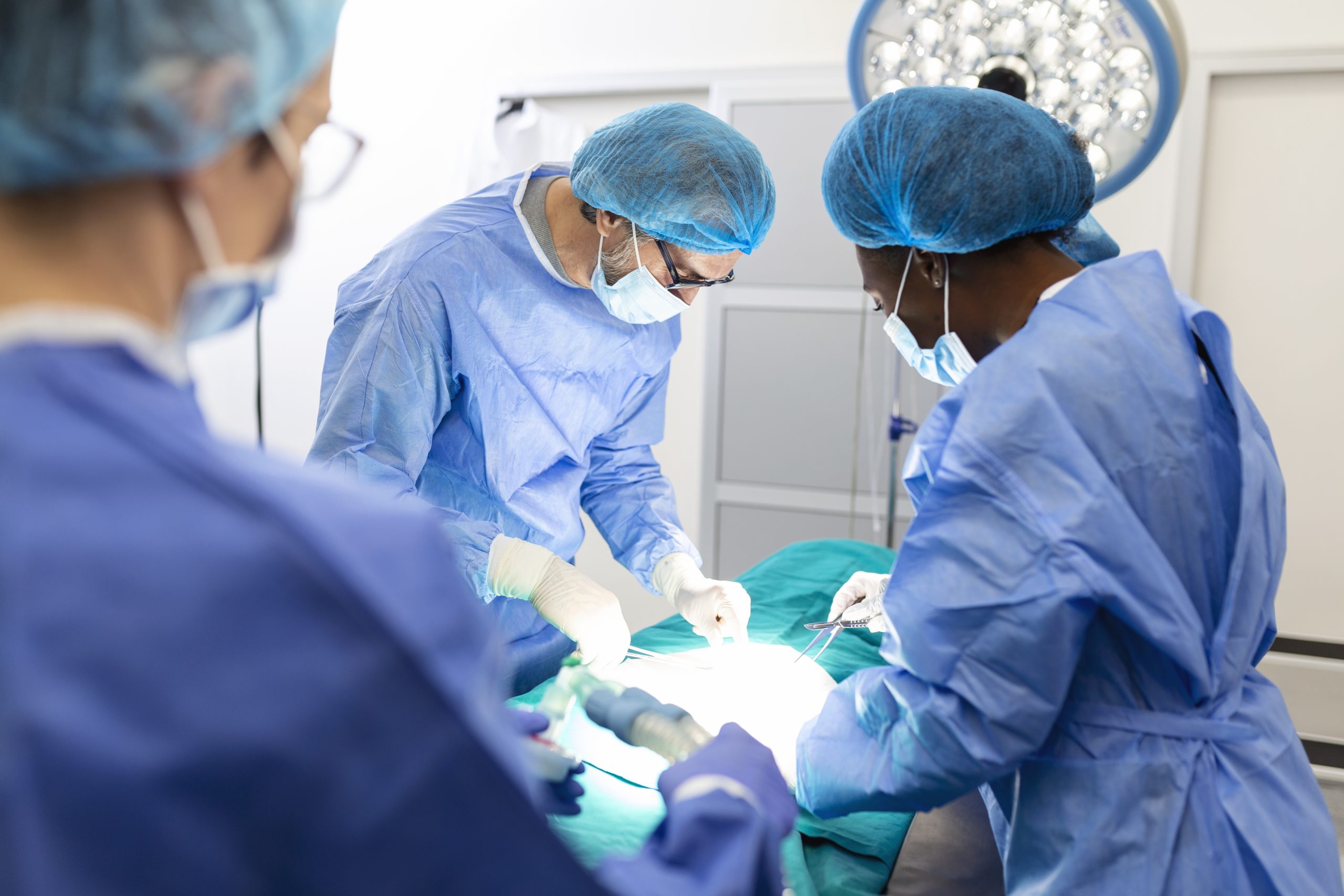
Did you wake up one morning or discover in the shower a bulge or nagging discomfort in your groin or abdomen? Do you have an unsettling sense that something just isn’t right in your trusted body that has served you so well for decades?
Don’t hit the panic button.
We know hernias can feel unsettling. Here’s the good news. Laparoscopic hernia repair and open hernia surgery are both effective treatment options, but how do they compare?
Key Differences and Why They Matter
- Speedy recovery with less discomfort: Laparoscopic hernia repair typically means smaller incisions, which translates to less post‑op pain and a quicker return to your normal Gold Coast lifestyle – often around a week faster than open surgery.
- Familiarity and flexibility: Open hernia surgery remains reliable, especially when performed under local anaesthesia. This is beneficial if you would prefer to avoid general anaesthesia. As a result, this option tends to cost less too.
- Recurrence and long-term outcomes: When done by a highly experienced surgeon, both approaches show equivalent recurrence rates. Yet laparoscopic repair may reduce chronic groin pain long-term.
- Risks and surgeon expertise: Minimally invasive methods demand strong laparoscopic skills. If your surgeon isn’t exceedingly experienced (e.g., performing hundreds of repairs), laparoscopic repair may risk higher recurrence. Open repair, by contrast, is generally more accessible and sometimes safer in complex or recurrent cases.
- Customisation matters: Here on the Gold Coast and in Brisbane, Dr Harald Puhalla offers both laparoscopic and open hernia surgery repair, tailoring his approach to factors like hernia type, your overall health, lifestyle and recovery goals.
What to Expect During Recovery
Recovery is often one of the biggest concerns for our patients. With laparoscopic hernia repair, most people can return to light activity within a week, thanks to smaller incisions and less tissue disruption. Many of our Gold Coast patients find they are back to driving, office work or gentle walks around Southport or Broadbeach within days.
By contrast, open hernia surgery requires a little more downtime. Pain may linger longer, and lifting or strenuous activity is generally restricted for four to six weeks. This matters for those in trade or physically demanding jobs, where returning too soon risks complications.
No matter the method, all hernia repairs require some caution.
- For the first two weeks, avoid heavy lifting, high-impact exercise or long periods of standing. Bruising or swelling near the incision site is normal and usually resolves quickly.
- By week three or four, most patients, especially those who had keyhole surgery, can begin building back their normal routines. However, lifting or exercise should still be limited
- Complete recovery often takes six weeks, though every patient heals differently.
Regular follow-ups with your surgeon ensure the repair remains strong and you can safely resume activities like gym workouts, running or heavy labour.
Which Path Is Right for Me?
No one-size-fits-all answer exists. Dr Puhalla will do a full assessment of your current health status to establish whether minimally invasive keyhole hernia surgery or open hernia surgery will best suit your particular case. Book a consultation now.